1
Fast heating
Induction transfers energy directly to compatible cookware, helping pots and pans heat quickly. That can mean less waiting around for water to boil and a faster start to dinner.
Explore this article
Thinking about induction cooking? Discover how it works, why it’s becoming more common in new homes and what to know before making the switch.

With more than 30 years’ experience in industrial design and product development, Scott has helped shape some of Westinghouse’s most recognised appliances, combining innovation, performance and practicality for Australian homes.
Written by Homebuyers Centre Victoria with insights from Scott King
Fast to heat, easy to clean and simple to control, induction cooking is becoming an increasingly familiar feature in new homes.
With Victoria moving towards all-electric new homes from 1 January 2027, now is a good time to understand how induction cooking works, what makes it different from gas and what you’ll need to get started.
We asked Westinghouse Senior Design Lead Scott King to help break it down.

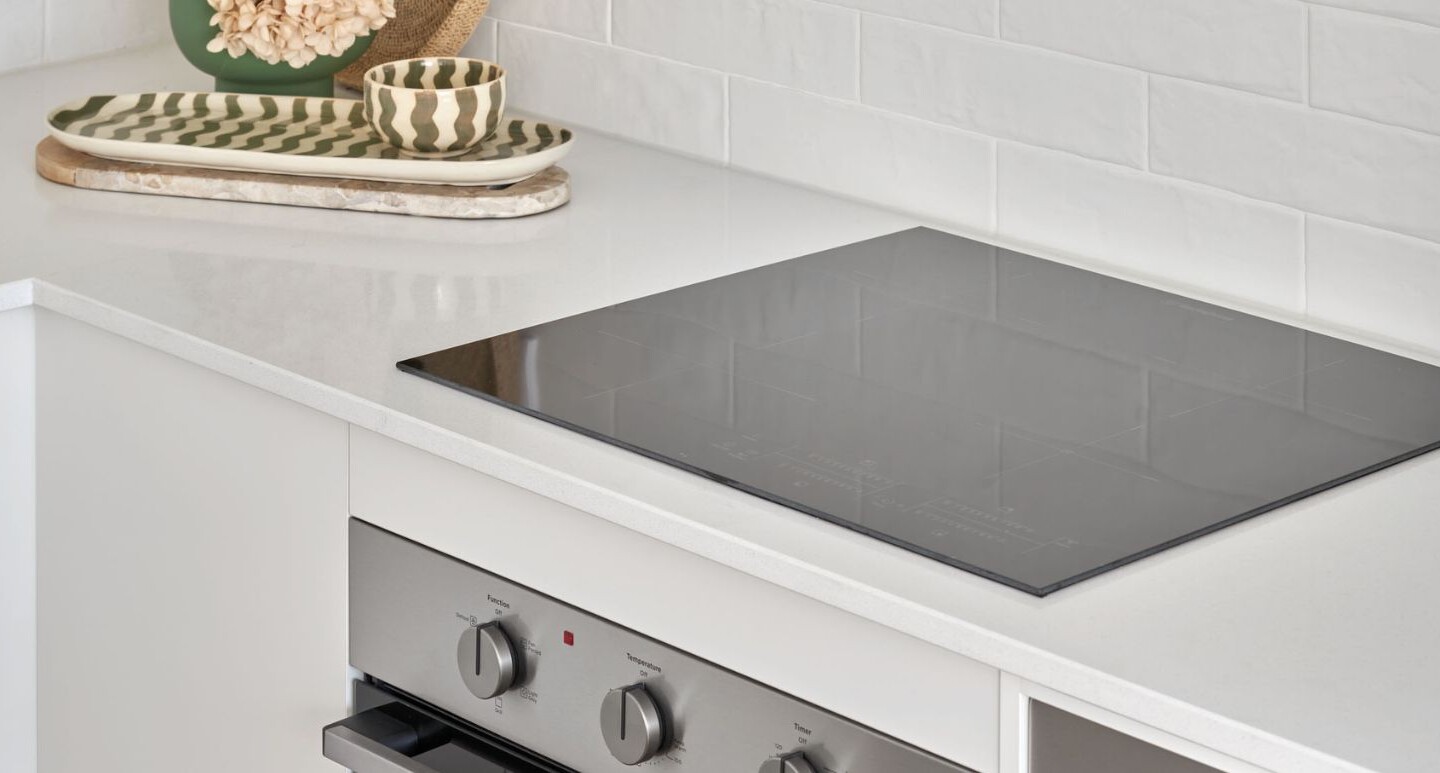
Induction might look simple from the outside, but there’s some clever technology working underneath the glass.
Instead of using a gas flame or a traditional electric heating element, an induction cooktop creates a magnetic field that heats compatible cookware directly.
Because the energy is transferred straight to your pot or pan, the cookware heats quickly and responds fast when you adjust the temperature.
That can make everything from boiling pasta to gently simmering a sauce feel simple and controlled.
“Induction transfers the heat directly into the pot, unlike gas where much of the heat is lost. That means a cooler kitchen during those hot summer days – no more sweating over a hot stove.”
– Scott King, Senior Design Lead, Westinghouse
Induction transfers energy directly to compatible cookware, helping pots and pans heat quickly. That can mean less waiting around for water to boil and a faster start to dinner.
Need to go from a high heat to a gentle simmer? Induction gives you responsive control over your cooking temperature, making it easier to adjust the heat as you cook.
Because the cookware itself is heated, rather than relying on an open flame or traditional heating element, less heat escapes into the surrounding kitchen.
The smooth glass surface means there are no burners or trivets to work around. Once the cooktop has cooled, spills and splatters can generally be wiped away easily.
Induction cooking doesn’t use an open gas flame. The cookware is heated through electromagnetic energy, creating a different cooking experience from a traditional gas cooktop.
Still deciding what’s right for your kitchen? Explore the Westinghouse cooktop buying guide to compare cooktop types, features and everyday considerations.
If you’re weighing up your options, the Westinghouse cooktop buying guide can help you understand the different cooktop types and features available.

If you’ve always cooked with gas, induction can feel a little different at first.
Instead of judging the heat by looking at a flame, you control the temperature through the cooktop settings. The response is quick, so you can turn the heat up or down as you need it.
For many people, the biggest differences become clear during everyday cooking: how quickly cookware heats, how easily the temperature can be adjusted and how simple the flat surface is to clean afterwards.
“Without a doubt, it’s the speed of heating up and precise control that first-time induction cooks tend to notice. Faster family meals are important, whether it’s weekday spaghetti or grilling on a plancha. And once the cooking is done, it’s a quick and simple wipe-down – no more reassembling burners and pan supports to clean up spills.”
– Scott King, Senior Design Lead, Westinghouse

Not necessarily.
Induction cooktops need cookware with a magnetic base. Many pots and pans are already induction-compatible, so it’s worth checking what you have before replacing anything.
One easy test is to hold a magnet against the base of your cookware. If it sticks firmly, there’s a good chance the cookware is suitable for induction.
You can also look for an induction-compatible symbol or check the manufacturer’s instructions.
“Moving to induction doesn’t need to mean replacing your entire kitchen kit. The main thing is having induction-ready pots and pans – just look for the coil symbol on your cookware, and you don’t need to spend a fortune.”
– Scott King, Senior Design Lead, Westinghouse

From 1 January 2027, Victoria’s building electrification regulations will require new residential buildings to be built all-electric, subject to applicable exemptions.
For future homebuyers, that means electric appliances will play an even greater role in the kitchen, as well as areas such as heating and hot water.
Induction is one option for electric cooking, and understanding how it works now can make choosing appliances for your future home feel much simpler.
Homebuyers Centre currently offers different cooking options depending on the home, range and applicable requirements. Your New Homes Consultant can help you understand what is available for your build.
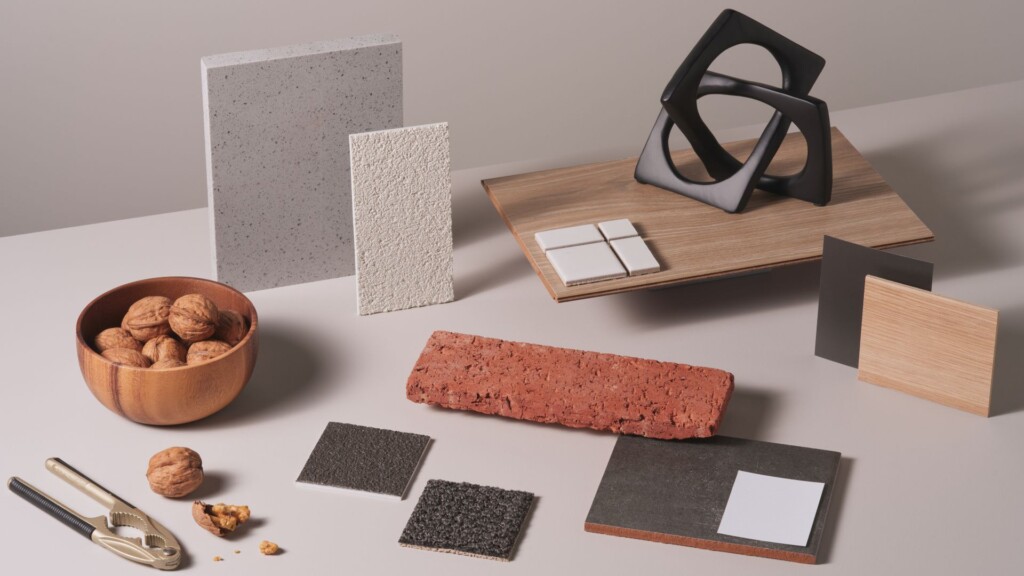
Your cooktop is only one part of creating a kitchen that works for the way you live.
From cabinetry and benchtops to flooring, finishes and appliances, the Homebuyers Centre Colour Collection brings your selections together through expertly curated palettes designed to make personalising your new home easier.
You can also step inside a Homebuyers Centre display home to see our kitchens, appliances and Colour Collection finishes working together in a real home.
Westinghouse appliances feature across Homebuyers Centre homes, bringing together practical features and everyday functionality for busy Australian households.
Explore the Westinghouse induction cooktop range and discover practical features for your everyday cooking.
Learn more about our partnership and the appliances you could find in your new kitchen.
Start with a floorplan that suits the way you want to live, then make it your own with your preferred colours, finishes and selections. Explore Homebuyers Centre home designs and find the right place to start.