What the 2026–27 Federal Budget Could Mean for Melbourne Property Investors
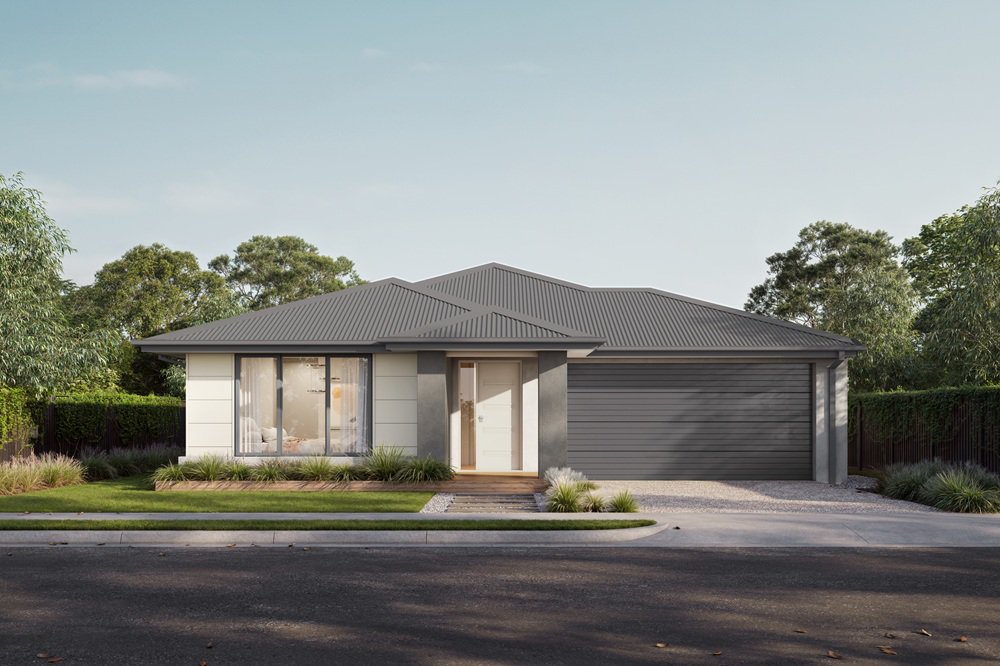
If you are considering a house and land package in Melbourne as an investment, recent Federal Budget tax changes may be worth understanding before you make your next move.
The changes are designed to shift more tax support toward new housing supply. For investors, that means a newly built home may be treated differently to an established property, depending on when it is purchased, how the final rules apply and whether the property meets the relevant new-build criteria.
For Melbourne buyers comparing house and land packages in growth areas such as Tarneit, Wyndham Vale, Mickleham, Clyde North and surrounding suburbs, this could make new homes an important part of the investment conversation.

Key takeaways
Here’s what investors considering a house and land package should know:
- The Federal Budget changes are designed to focus negative gearing benefits on new builds, helping support new housing supply.
- A house and land package may sit within the new-build category, subject to the final rules and your individual circumstances.
- Established homes may be treated differently to newly built homes under the tax changes, particularly for investors buying after Budget night.
- Tax rules can be complex. Always confirm your position with a registered tax agent before relying on any tax outcome.
- Homebuyers Centre Victoria can help you explore house and land packages in Melbourne, while Resolve Finance can help you understand borrowing capacity and loan options.
Our team can help you explore available locations, compare home options and understand what to expect throughout the build journey. For lending and borrowing guidance, speak with our finance partner, Resolve Finance.
What the proposed investment property changes could mean
The Federal Budget tax changes create a clearer distinction between new residential properties and established homes.
In simple terms, the Government is aiming to keep stronger tax support focused on properties that add to housing supply. That includes many new homes built on vacant land, which is why house and land packages may be relevant for investors to consider.
Established residential properties may face different tax treatment, particularly where they were purchased after Budget night. Existing investments held before the announcement are expected to have transitional arrangements, but investors should confirm how the rules apply to their own situation.

What is negative gearing?
Negative gearing is when the costs of owning an investment property are higher than the rental income it produces.
Under current settings, many investors can use those rental losses to reduce other taxable income.
Under the Federal Budget changes, this treatment is expected to be more limited for established homes, while new builds may continue to receive more favourable treatment.
Negative gearing will be limited to new builds from July 2027 for properties acquired after Budget night. Negative gearing for new builds remains available after July 2027.
The exact impact will depend on the property, ownership structure, timing and your personal tax position.

What is Capital Gains Tax?
Capital Gains Tax, often called CGT, is the tax applied to profit made when selling an investment property.
The Federal Budget changes also adjust how capital gains may be calculated in the future. New builds may have different treatment to established properties, depending on how the final rules apply.
*Homebuyers Centre Victoria does not provide tax advice. A registered tax agent can explain what CGT may mean for your circumstances, including how the timing of a purchase, sale or build may affect your position.
How new builds and established properties may be treated
| Property type | What it may mean for investors |
|---|---|
| New builds | New builds may continue to receive more favourable treatment under the negative gearing changes, provided they meet the relevant criteria. This may include many house and land packages, subject to the final rules and professional advice. |
| Established properties | Established homes purchased after Budget night may face more limited negative gearing treatment. Investors may still be able to use losses in certain ways, but not necessarily against wages or other income. |
| Existing investments | Properties already held before Budget night are expected to have transitional arrangements. Investors should confirm how this applies to their own property and ownership structure. |
| Knockdown rebuilds and renovations | Projects that do not add extra housing supply may not be treated the same way as a new dwelling built on vacant land. Always seek tax advice before assuming eligibility. |

Why Melbourne house and land remains worth considering
A house and land package combines a block of land with a new-build home in one coordinated process. Once construction is complete, the result is typically a newly built property that should sit within the proposed “new build” category, subject to how the final law defines it, with standout benefits including modern homes designed around the latest energy-saving trends.
The proposed Budget changes are designed to direct tax support toward adding new housing supply. This naturally shines a spotlight on house and land packages and other new home builds in Melbourne’s growth areas. If the final legislation mirrors the Budget proposals, many Melbourne house and land packages completed after 1 July 2027 could sit in the favoured tax category compared to established property purchased after Budget night, because they are likely to be treated as new builds for negative gearing and CGT purposes.

Melbourne growth corridors
Melbourne’s growth corridors are central to the house and land investment conversation because this is where many new communities, land releases and new homes are being delivered.
For investors looking at new housing supply, these areas may offer opportunities to secure a brand new home in a suburb that is still developing its infrastructure, amenity and long-term housing demand.
- Western corridor: Tarneit, Wyndham Vale, Point Cook, and Truganina-areas with ongoing estates, new town centres, and transport links. Explore house and land packages in Melbourne’s west.
- Northern corridor: Craigieburn, Mickleham, Kalkallo, and Donnybrook across Melbourne’s north. See house and land in Wollert, Craigieburn and Mickleham.
- South-east: Clyde North, Officer, and Cranbourne East also attract both first home buyers and investors. View south-east house and land options.
When comparing house and land packages in Melbourne, it’s important to look beyond the home design alone. Location, inclusions, finance, tax and long-term rental appeal can all play a role in whether a package suits your investment goals.
| What to consider | Why it matters for investors | What to check |
|---|---|---|
| Melbourne growth suburbs | The suburb you choose can influence long-term rental appeal, future buyer demand and capital growth potential. | Look at schools, shops, transport, employment hubs, estate plans and planned infrastructure. |
| House and land package inclusions | Not every package includes the same features, upgrades or site requirements, so it’s worth knowing what’s included upfront. | Review inclusions, site costs, façade options, developer requirements and any allowances before signing. |
| New build investment benefits | A new home may offer modern layouts, lower early maintenance needs and strong appeal for renters looking for a fresh, functional home. | Consider the floorplan, bedroom count, storage, outdoor space and how well the home suits the local rental market. |
| Stamp duty and tax treatment | House and land packages may be treated differently to established homes, depending on the contract structure and your circumstances. | Speak with a registered tax agent or conveyancer about stamp duty, negative gearing, CGT and depreciation. |
| Fixed price contract clarity | A fixed price contract can help give investors more confidence around the agreed build cost, subject to contract terms. | Confirm what is fixed, what may change and whether site conditions or selections could affect the final price. |
| Finance and cash flow | Your investment should fit your budget, borrowing capacity, repayment comfort and long-term goals. | Resolve Finance can help you understand borrowing capacity, loan structure and repayments. |

Why Melbourne’s growth suburbs are worth watching
Melbourne’s population growth increases housing demand in outer suburbs. The city is projected to have an annual growth rate of 6% to 7%, with low vacancy rates of approximately 1.4% to 1.5%.
Strong population growth is a key indicator for residential property investment areas, and demand for housing is projected to increase in Melbourne’s suburbs. Investors can benefit from capital growth in Melbourne’s outer suburbs as infrastructure and communities mature-though no growth is guaranteed.
Before committing, check with the right professionals:
Confirm the property would meet the proposed “new build” definition once legislated.
Have tax treatment-including negative gearing changes and CGT reforms, confirmed by a registered tax agent.
Get borrowing capacity and loan structure from our finance partner, Resolve Finance.

Why location still matters?
A new house and land package may offer potential tax advantages under the Federal Budget changes, but investors still need to consider the fundamentals of the property.
Important location factors may include:
- proximity to schools and childcare
- access to public transport and major roads
- nearby employment centres
- shopping, parks and community infrastructure
- local rental demand
- future estate development
- suburb maturity
- the quality and reputation of the builder
- the suitability of the home design for future renters or buyers
A house and land package should be assessed as a long-term property decision, not just a tax decision.
How a house and land package fits into your investment plan
A house and land package in Melbourne can be a smart option to explore if you’re looking at a new build investment property. But tax settings are only one part of the picture. Your timeframe, budget, borrowing capacity, suburb choice and long-term goals all matter.
Many investors look to Melbourne’s growth suburbs because new communities can become more established over time as schools, shops, transport and local infrastructure develop. While capital growth is never guaranteed, choosing the right location, builder and home design can help you make a more informed decision.
Tax settings are only one part of an investment decision. A Melbourne house and land package should be weighed against an investor’s time horizon, risk tolerance, and broader financial goals. Capital growth is never guaranteed, but many investors view outer-suburban house and land in growth corridors as a long-term play, aiming for capital growth as infrastructure matures. Key considerations for investment include location and builder reputation.
Look beyond tax
New builds offer significant tax-saving depreciation benefits.
Proposed negative gearing and CGT changes may make new builds part of the investment conversation, but you should never choose a property based on tax alone. A registered tax agent can explain what may apply to your personal situation.
Pick the right suburb
A Melbourne house and land package should be assessed against the location, nearby schools, transport, shopping, local jobs and future infrastructure. These factors can influence rental appeal and long-term demand.
Combining depreciation benefits with the proposed preservation of negative gearing on qualifying new builds may make a negatively geared new house and land investment more appealing on an after-tax basis than an equivalent established property purchased after Budget night.
Get clear on your finance
Because the building structure, fixtures, and fittings are new, investors can typically claim higher depreciation than on established housing.
Finance matters just as much as the property itself. Resolve Finance can help you understand borrowing capacity, loan structure, repayments and how construction finance may work during the build.
Good to know: Before committing to a house and land package investment, check the package inclusions, understand any site requirements and speak with the right professionals. Homebuyers Centre Victoria can help with the build journey, while tax, legal and personal investment advice should come from qualified experts.
For investors, a new home may also offer:
What a new investment property may offer
- modern floorplans suited to current renter expectations
- energy-efficient design features
- new appliances, fixtures and finishes
- lower maintenance needs in the early years compared with many older homes
- potential depreciation benefits, subject to tax advice
- appeal to renters looking for a contemporary family home
The actual investment outcome will depend on the property, location, rental market, finance structure, tax position and long-term plan.

How Homebuyers Centre Victoria can help
Homebuyers Centre Victoria helps buyers explore new homes and house and land packages across Melbourne and regional Victoria.
We can help you:
- understand available house and land packages
- compare home designs and floorplans
- explore locations across Melbourne’s growth corridors
- understand the build journey
- review package inclusions
- connect with Resolve Finance for lending support
- take the next step toward building a new home
We do not provide tax, legal or personal investment advice. For those areas, speak with the appropriate qualified professional.
Frequently Asked Questions
Based on the 2026–27 Federal Budget announcement, the Government intends negative gearing to remain available for qualifying new builds, but the precise legal definition of “new build” is not final until legislation passes. Factors like whether the dwelling has been previously lived in, when construction is completed, and how the property is used may all matter. If you are looking at a specific house and land package in areas like Clyde North, Tarneit, or Craigieburn, have a registered tax agent confirm whether it is expected to meet the final criteria before making decisions that rely on a particular tax outcome.
Favourable tax benefits alone do not make any property a good investment. Potential for capital growth is a key consideration when investing in real estate, but investors should also assess whether the property’s likely rental income and tax settings support acceptable cash flow, alongside location fundamentals, their borrowing capacity, appetite for risk, and time horizon. Use the proposed negative gearing changes as one input among many, and discuss personal investment strategy with a licensed financial adviser and registered tax agent.
Homebuyers Centre Victoria does not provide tax advice, legal advice, or personal investment recommendations. We focus on education about the build journey and helping you select a suitable home and land option in land packages across Melbourne. Resolve Finance provides lending guidance-including deposits, construction loans, and loan options suited to your circumstances-but they also do not give tax advice. Questions about negative gearing, CGT, and depreciation must be answered by a registered tax agent with access to your full financial details. Home ownership and residential construction questions about the build itself are just what we are here for.
Resolve Finance can help you understand borrowing capacity, finance options, construction loans and repayment planning based on your circumstances.
They do not provide tax advice. Questions about negative gearing, CGT or depreciation should be directed to a registered tax agent.
Visit the Homebuyers Centre Victoria Federal Budget 2026–27 hub page for a consolidated overview of proposed housing, negative gearing, and CGT measures relevant to Victorian home buyers and investors.
For the most authoritative information, check the official Australian Government Budget documents. Combine these resources with professional advice so you can make informed decisions aligned with your long-term goals.