What Is a Townhouse? Definition, Key Features and How It Compares

What is a townhouse in Australia?
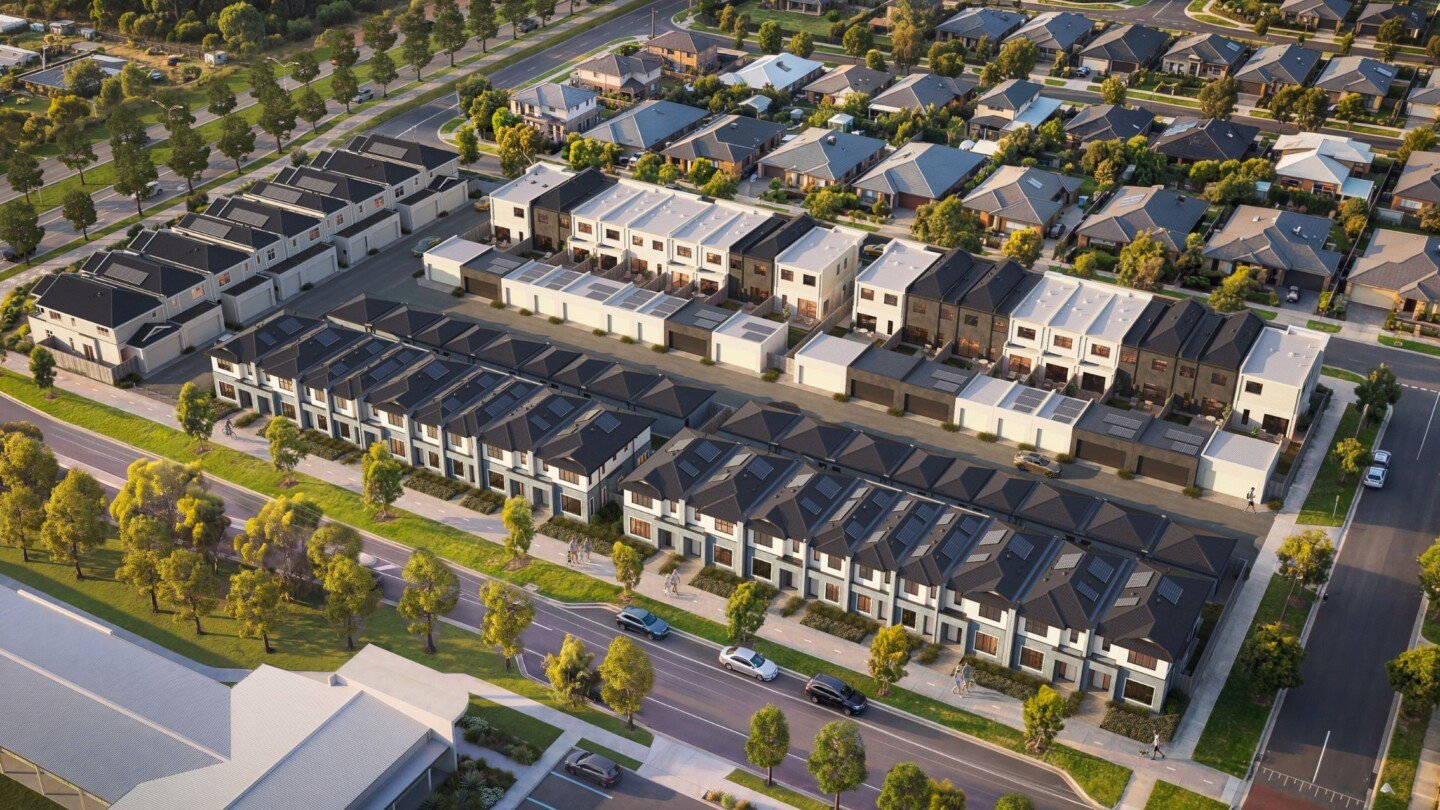
A townhouse is a multi storey home that shares at least one wall with a neighbouring property, sits on a smaller lot than a standalone house, and typically forms part of a small complex or group of homes.
Townhouses offer a middle ground between apartment living and owning a freestanding home, giving buyers their own entrance, multiple bedrooms across multiple floors, and some private outdoor space. In Australian suburbs, the terms “townhouse,” “townhome” and attached terrace-style home are often used interchangeably in modern developments.
This guide explains what makes a townhouse different from a house, apartment, duplex and unit, and helps you decide whether this dwelling type suits your stage of life.

Key Takeaways
- A townhouse is a multi storey home that shares one or more walls with adjacent properties, sits on a smaller lot, and often forms part of a small complex with shared driveways or gardens.
- Townhouses offer a low maintenance lifestyle with private outdoor space like a courtyard or balcony, making them a practical middle ground between an apartment and a freestanding house.
- Homebuyers Centre Townhouse designs and builds turnkey townhouse solutions across Melbourne, Geelong and other Victorian suburbs.
Townhouse key features explained
Townhouses combine practical living space, privacy and lower-maintenance appeal on a compact lot. While designs and ownership arrangements vary, most townhouses share several common features.
| Key feature | What it means |
|---|---|
| Multiple floors | Most townhouses have two or more levels, creating separation between living areas and bedrooms. |
| Shared walls | A townhouse will usually share at least one wall with a neighbouring home. |
| Private living | Most include a private entrance, garage or car space, and a courtyard or compact garden. |
| Shared areas | Some developments include shared driveways, visitor parking, gardens or landscaped areas. |
| Owners corporation | An owners corporation may manage shared property, with owners contributing to its maintenance and insurance. |
| Modern inclusions | New townhouses often feature contemporary kitchens and bathrooms, secure parking, heating and cooling, and energy-efficient design. |
Homebuyers Centre offers premium, affordable townhouses across selected Melbourne and Geelong communities, with considered floor plans and modern inclusions.

Why are more buyers considering townhouse living?
For many buyers, finding the right home means balancing location, space and price. A townhouse can sit comfortably between a standalone house and an apartment, giving you many of the features of a traditional home in a lower-maintenance format.
Benefits of townhouse living
Townhouses combine smart design, private living and a more manageable property.
| Benefit | What it means for you |
|---|---|
| Less upkeep | A compact courtyard or garden means less maintenance and more time to enjoy your home. |
| Smart use of space | Open-plan living, built-in storage and separate sleeping areas make every space work harder. |
| Connected communities | Many developments are close to parks, schools, shops, transport and everyday services. |
| Your own place | Enjoy your own entrance, living spaces and private outdoor area, with more independence than an apartment. |

Townhouses as a Property Type in Australia
Townhouses represent a form of medium density housing that makes efficient use of land in urban areas and established suburbs.
In inner city locations, townhouses are a common way to increase housing supply on existing blocks through subdivision. They are popular in urban areas due to their space efficiency, allowing more homes on land that might previously have held a single detached house.

In Victoria specifically, planning reforms are encouraging more medium density housing.
The Townhouse and Low-Rise Code introduced in 2025 streamlines approvals, while 7-star NatHERS energy efficiency requirements from mid-2024 onwards shape insulation, glazing and heating choices in every new build.
Key Physical Features of a Townhouse
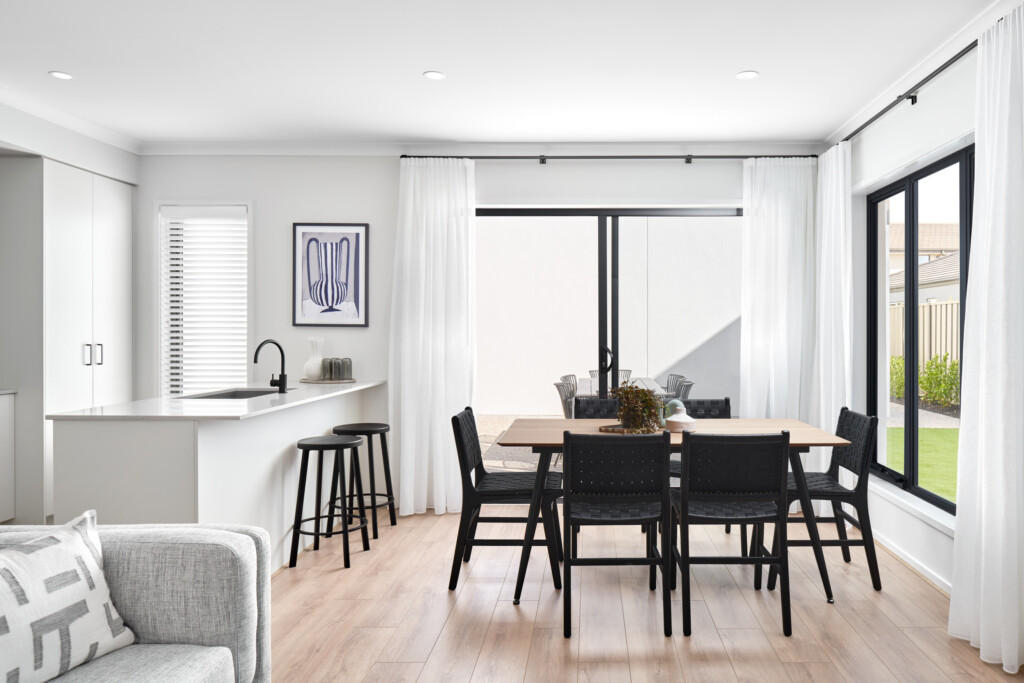
Multi storey living and vertical layout A typical townhouse has a two- or three-level layout: garage and entry at the ground floor, open-plan kitchen and living on one level, and bedrooms above. This multi level home approach suits small blocks and busy lifestyles, making the most of limited space by building up rather than out. Townhouses often feature multiple floors for better space utilisation, and having bedrooms separated from living spaces adds privacy within the home.
Shared walls One or both side walls usually adjoin neighbours. These shared walls influence privacy and noise transfer, but they also contribute to thermal performance – a shared wall typically loses less heat than an exposed external wall. Most townhouses are built with acoustic insulation between adjoining walls to manage sound.

Outdoor space Townhouses usually offer less outdoor space than detached houses, often consisting of a small courtyard or yard. Many include a private courtyard, balcony or compact backyard designed for low maintenance living.
Typical inclusions Most townhouses include secure parking such as garages or carports, off-street visitor parking, modern kitchens and bathrooms, and integrated heating and air conditioning systems. Newer developments often also allow for solar panels and energy-efficient appliances.
Accessibility Stairs across multiple levels may not suit everyone. Some downsizers prefer designs with a main bedroom and bathroom on the ground floor. Homebuyers Centre Townhouse designs prioritise light-filled interiors, smart storage and efficient use of every square metre on compact lots.
How Townhouse Ownership and Strata Work
Owning a townhouse in Victoria usually means owning the dwelling itself plus an interest in common property, managed by an owners corporation.
Common property might include shared driveways, visitor parking, shared gardens, external lighting and sometimes shared services. Townhouse owners pay body corporate fees, regular contributions that go towards common property maintenance, building insurance and sinking funds for long-term repairs. Strata fees cover maintenance of common areas in townhouses, which contrasts with a freestanding house where the owner pays directly for all external upkeep. The maintenance responsibilities of townhouse owners may include shared exterior maintenance handled through the owners corporation.
Owners corporations also set rules (by-laws) covering things like external paint colours, pets, noise and changes to the façade. Buyers should review these before purchasing.
In many cases, townhouse owners own both the townhouse and the land beneath it, but the ownership structure can vary by development. Some townhouse developments in Australian suburbs sit on separate (Torrens-style) titles with minimal shared property, though this is less common and depends on local regulations. Homebuyers Centre Townhouse, a leading home builder offering house and land packages across regional Victoria, can walk buyers through how strata and ownership work in specific Victorian projects.
What It’s Like to Live in a Townhouse in Victoria
Townhouse living can give you the space and privacy of your own home, with a more manageable outdoor area and less upkeep than a typical standalone house.
| Lifestyle feature | What it means for you |
|---|---|
| Less upkeep | A compact courtyard or garden generally means less mowing, weeding and weekend maintenance. |
| Connected locations | Many new townhouse developments are close to shops, parks, schools, transport and everyday services. |
| Your own private spaces | Most townhouses provide an individual entrance, private living areas and a courtyard or compact garden. |
| Shared areas | Some developments include shared driveways, gardens or visitor parking managed through an owners corporation. |
| Things to consider | Stairs may not suit everyone, owners corporation fees may apply and compact blocks offer less room for large gardens, sheds or pools. |
How Homebuyers Centre Townhouse Helps You Explore Townhouse Living
At Homebuyers Centre Townhouse, we specialise in helping Victorians find their way into townhouse ownership with confidence.
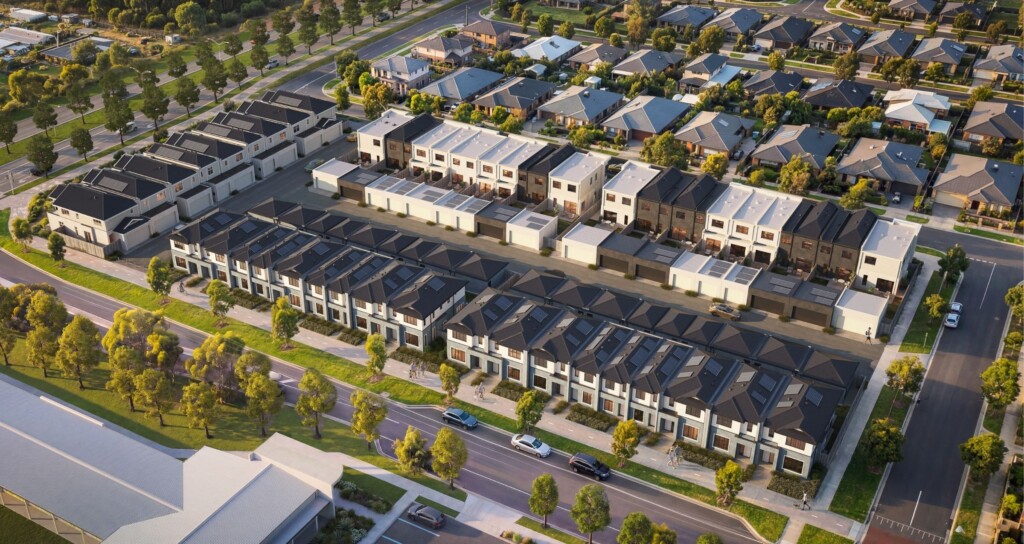
We offer turnkey townhouse solutions rather than custom one-off designs. That means you can move into a completed home with modern finishes, landscaping and appliances ready, no project management required from your end. ne listings, virtual tours and in-person townhouse tours or display-style walkthroughs in Melbourne, Geelong and selected growth corridors. We believe seeing a townhouse in person is the best way to understand whether this lifestyle fits.
Who could townhouse living suit?
The right home depends on your lifestyle, budget and plans for the future. Townhouses can suit buyers looking for modern living with less property to maintain.
| Buyer | Why a townhouse may suit |
|---|---|
| First home buyers | A townhouse may offer a more achievable way to buy while still providing multiple bedrooms, secure parking and private outdoor space. |
| Downsizers | Enjoy less outdoor upkeep without giving up practical living space or a spare bedroom for guests. |
| Couples and professionals | Contemporary layouts, manageable outdoor areas and convenient locations can make everyday living easier. |
| Small families | Multiple bedrooms, separate living and sleeping areas and a private courtyard can provide practical family space. |
| When it may not suit | A different property type may be better if you need single-storey living, an extensive garden, a large workshop or room for a pool. |
Frequently Asked Questions
A house is a freestanding house on its own lot with no shared walls. The owner has full responsibility for the land, building and all external maintenance. A townhouse shares one or more walls with neighbours, sits on a smaller and often subdivided lot, and may come under a strata or owners corporation arrangement where common areas are managed collectively. Houses generally provide more private outdoor space and flexibility for extensions, pools or large sheds, whereas townhouses offer a more compact, low maintenance lifestyle. In many Victorian suburbs, townhouses can be a more attainable way to live in a preferred location compared with a standalone house on a large block.
No. Townhouses and apartments are different property types. Townhouses are usually multi storey homes with their own street or ground-level entry, often with a courtyard or small backyard. Apartments are single-level units located within a larger building with shared entries, lifts and corridors. Both can be on strata title with shared areas, but townhouses typically have no units above or below and feel more like individual homes. In Victoria, many buyers see townhouses as a step up in more space and privacy from apartment living, but still more manageable than a large freestanding home.
Most modern townhouses in Australian suburbs include some form of private outdoor space – a courtyard, balcony, terrace or compact backyard – even if the land size is smaller than a traditional house block. Outdoor areas are typically designed for low maintenance living: paved courtyards, small lawn areas or planter boxes rather than expansive gardens. Buyers who need more outdoor space for large pets, big play areas or extensive gardening may prefer a freestanding house or a larger townhouse lot where available.
Shared walls can mean some sound transfer between neighbouring townhouses, particularly in older or poorly constructed developments. However, modern Victorian townhouse builds must meet building code standards for acoustic separation, and reputable builders use materials and design techniques to minimise noise. Townhouses offer moderate noise privacy compared with apartments, since there are fewer shared surfaces and no neighbours directly above or below. When inspecting a townhouse, consider wall construction, window placement and overall build quality. Homebuyers Centre Townhouse focuses on thoughtful design to balance privacy and community.